
Rock-climbing safety: what a $90,000 fine means for business managers
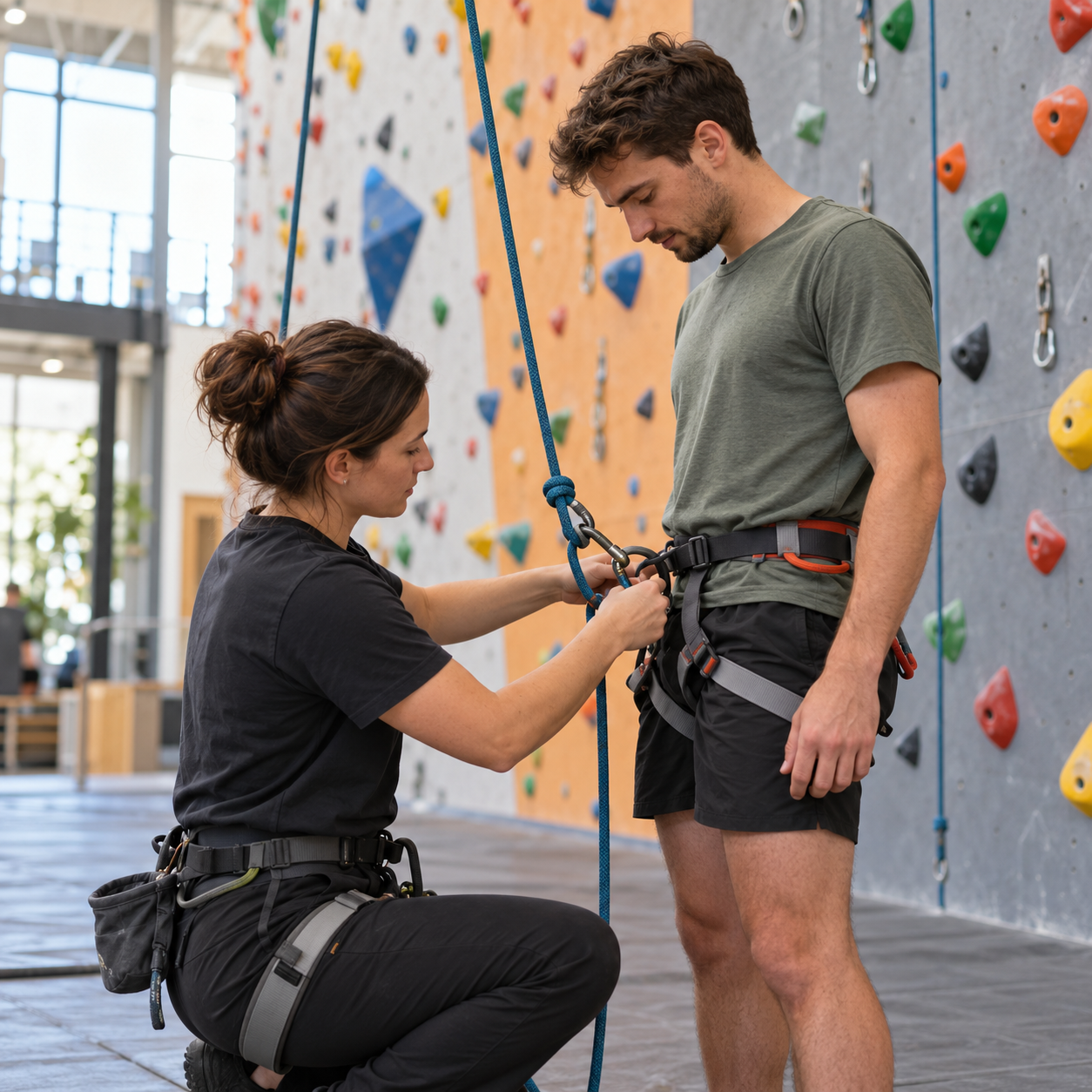
On 17 September 2026, Caboolture Magistrates Court fined a company $90,000 after a child fell from a rock-climbing wall at an indoor recreation venue. The case is a practical reminder for managers that safety controls need to work in day-to-day operations, particularly where customers use equipment and face a risk of falling from height.
What happened
The incident occurred on 24 March 2025. A 10-year-old boy fell from a climbing wall between 8 and 10 metres high while attempting to use an auto-belay system without supervision. He sustained a serious, non-permanent injury that required hospitalisation. The reported injuries included abrasions, lacerations and a minor spinal injury.
The company pleaded guilty to an offence under section 32 of the Work Health and Safety Act 2011 (Qld), relating to its failure to comply with its primary health and safety duty under section 19(2).
What the court found
The court found that the company had failed to ensure people were supervised in the climbing area and while climbing. It also failed to ensure users received supervision before climbing so they could use the carabiners and auto-belay system correctly.
The Magistrate described the offending as low-to-medium range in seriousness. The court also noted that the risk could have had catastrophic consequences and that the relevant controls were inexpensive and readily available.
The company was fined $90,000. The court did not record a conviction. Separate from the fine, the company was ordered to pay $1,500 in professional and legal costs and $105.30 in court costs. The fine could be referred to the State Penalties Enforcement Registry (SPER) for payment.
Why this matters to business managers
In a customer-facing operation, a written procedure is not enough if supervision is absent when customers need it. Managers need to consider how a control operates during busy periods, staff handovers and other moments when a high-risk activity is underway.
The findings also show the importance of making controls specific to the task. In this case, that included supervision in the climbing area and checking users understood how to use the relevant safety equipment before climbing. The court’s comments about the availability and cost of controls underline the business value of identifying practical measures early, rather than relying on a response after an incident.
What managers should take note of
- Set clear supervision arrangements: Identify who is responsible for monitoring a higher-risk activity, where they need to be and when that supervision must be present.
- Check understanding before use: Consider how staff confirm that customers know how to use relevant equipment before beginning an activity.
- Plan for gaps in coverage: Review how supervision is maintained during breaks, shift changes, busy periods and unexpected staff absences.
- Make controls workable: Choose measures that can be applied consistently in the actual operating environment, and make responsibilities clear to staff.
- Review after changes or incidents: Check that controls remain effective when equipment, staffing or operating arrangements change.
These are practical management observations from the findings in this case, not legal advice. Businesses should assess risks and controls in the context of their own operations.
For a safety-focused account of the same matter, read Practical Safety Advisory’s article on the climbing-wall case. Every small business should check it has the workers’ compensation (WorkCover) cover required for its workforce and maintains a suitable WHS system. Insurance requirements are not identical for every business.
Source information
- Regulator: Queensland WHS Court Reports 2026
- Source type: Regulator summary
- Decision date: 17 September 2026
- Source: Queensland WHS Court Reports summary